

You may speak now.
Interventions have a human cost. Skilled facilitators can handle them tactfully, and most participants take them in stride. But however professionally done, having a contribution curtailed or being prompted to speak simply because one has been quiet can still create irritation or self-consciousness. Those reactions may remain unspoken, but the distraction is real.

That does more than change the rhythm of the exchange. Thoughts have to be held in mind until the turn comes. Attention can shift toward preparing a contribution for the approaching turn. The expectation to say something encourages repetition and filler.
The exchange becomes less lively and less focused. It can undermine the main potential advantage of speaking one at a time: while one person speaks, everyone else is supposed to give them their full attention. That is less likely when participants are holding thoughts in mind, preparing for their own turn, or listening to contributions made to fill the allocated airtime.
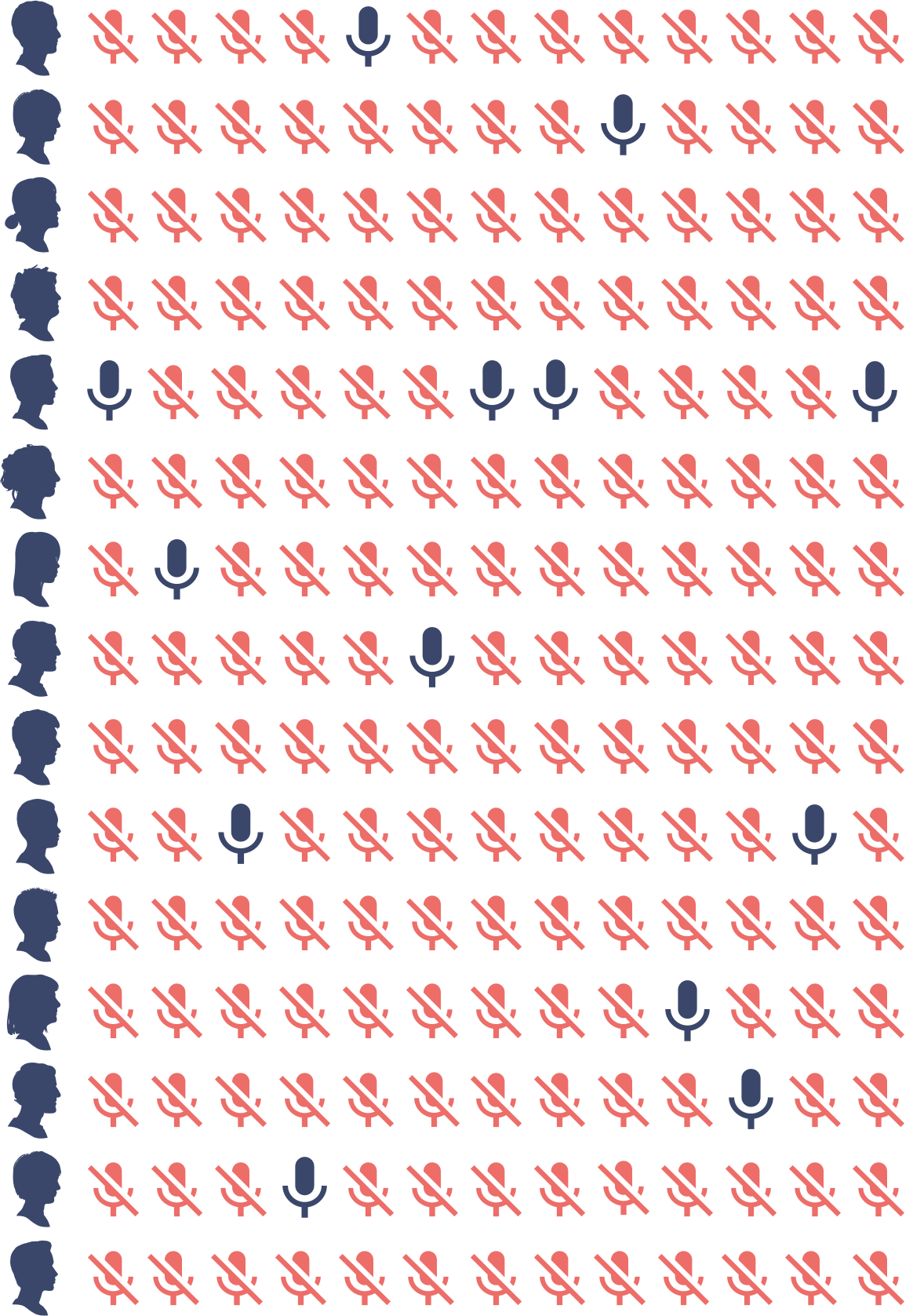
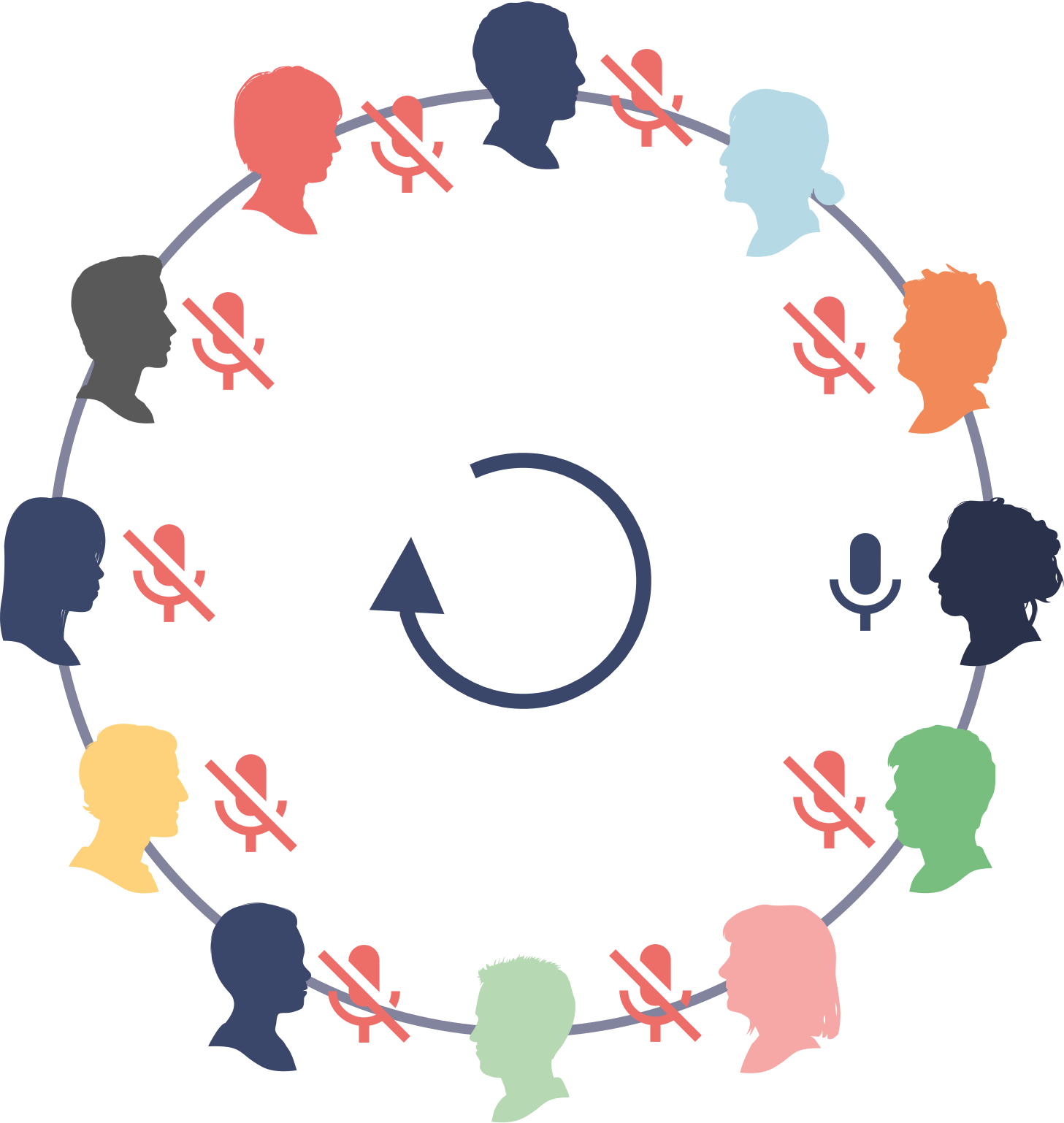
The round-robin paradox: Speak when the mechanic tells you to; wait when you have something to add.
The very use of round robins shows how acutely competition for airtime is felt. Distributing scarce airtime more equally solves one problem. It does so at a high price.

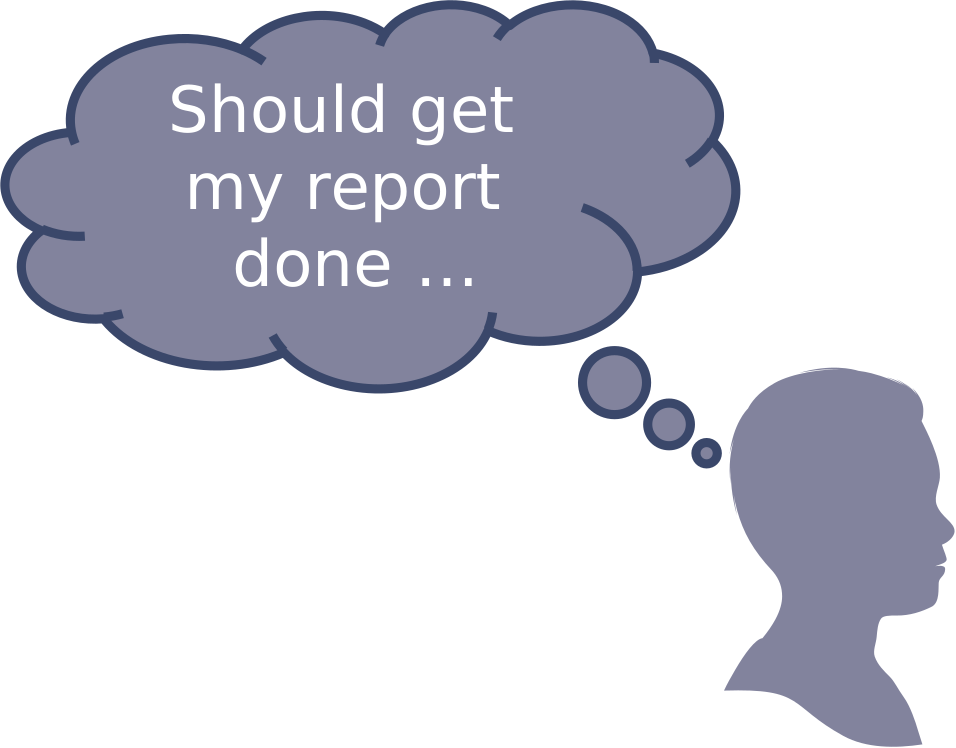
Underusing participants is not just an immediate productivity loss. A couple of people checking out may hardly affect the discussion. But once a sizable part of the group is no longer listening, why make the effort to develop and present a careful argument? Contributions get thinner. The discussion loses energy. And with less worth listening to, more attention drifts away. Soon, keeping the conversation productive becomes an uphill struggle.
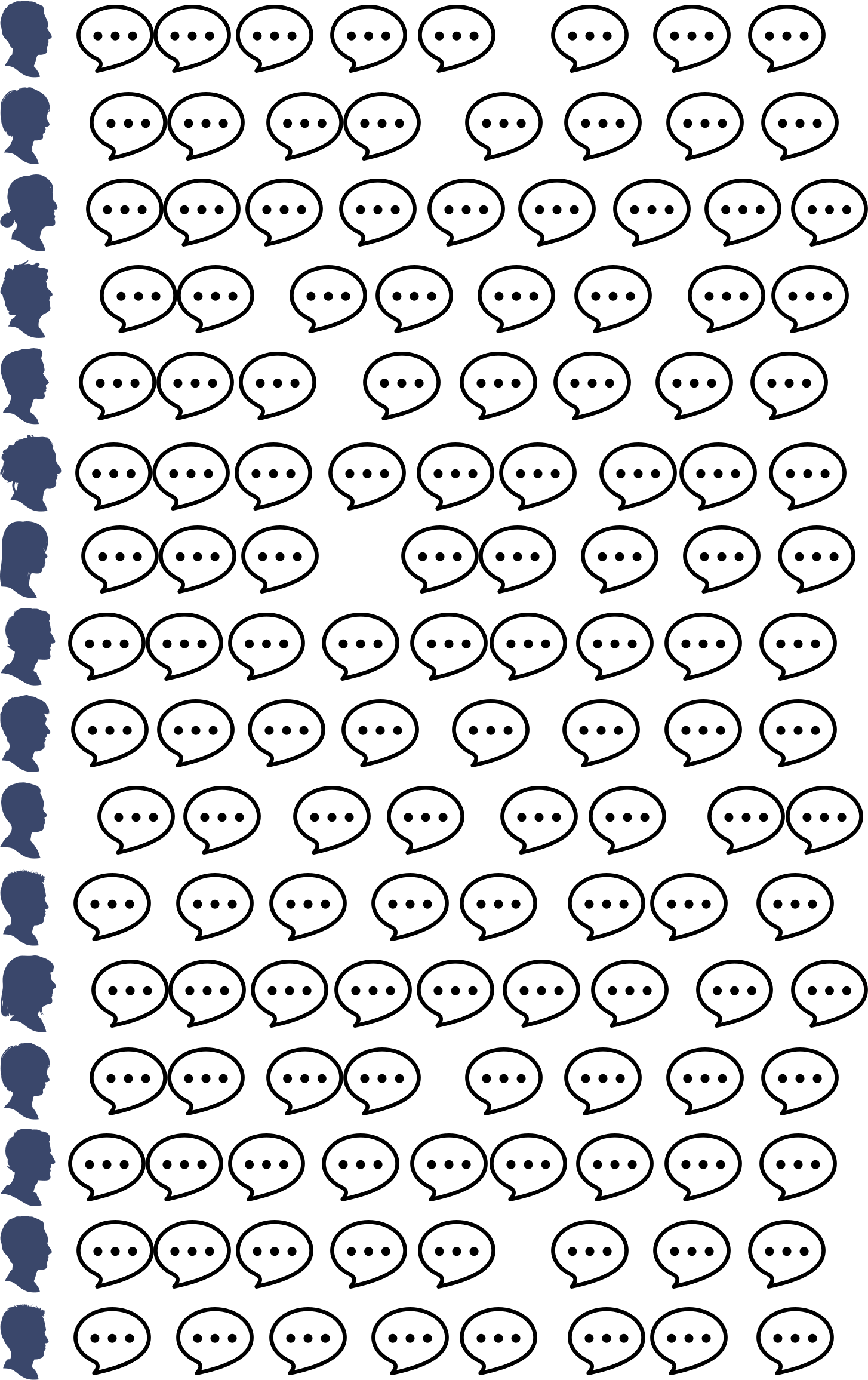
No one needs to be curbed for contributing too much. No one needs to be prompted simply because they have been quiet. Instead of acting as an airtime traffic controller, whoever is running the workshop can focus on the substance: Is the group on track? What is missing? What needs clarification or further work?
Facilitation still happens primarily through speech. Tasks are introduced, instructions clarified, and important points brought to the group’s attention verbally. In-room, people talk directly. Online, voice is carried by a conferencing platform. The XLeap workspaces and mechanics remain the same.
Spoken interaction remains available whenever it is the better mechanic. When something warrants the group’s full attention, whoever is running the workshop can bring everyone together around it.
The difference is choice. Full-group listening no longer has to be the default for every contribution.
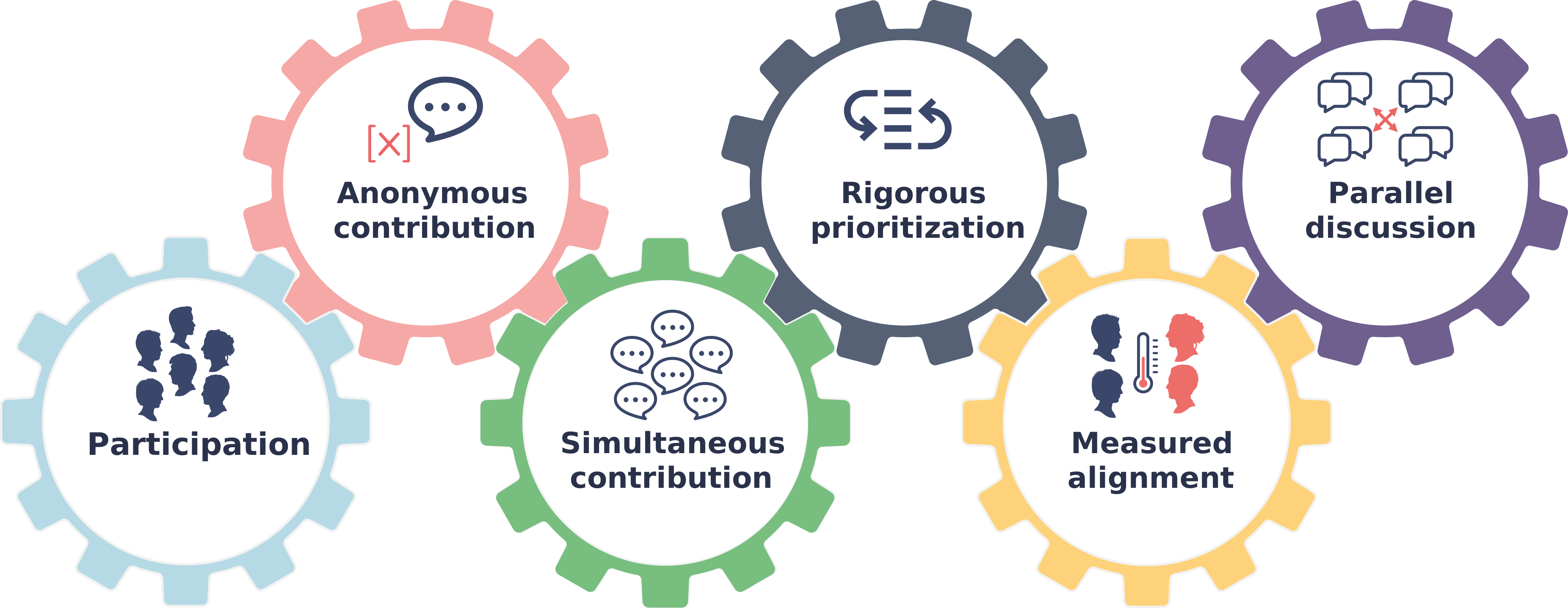
Advanced workshop mechanics combine to put more of the group’s knowledge and judgment to work.
EXPLORE THE OTHER MECHANISMS
Participation · Anonymous contribution · Rigorous prioritization · Measured alignment · Parallel discussion
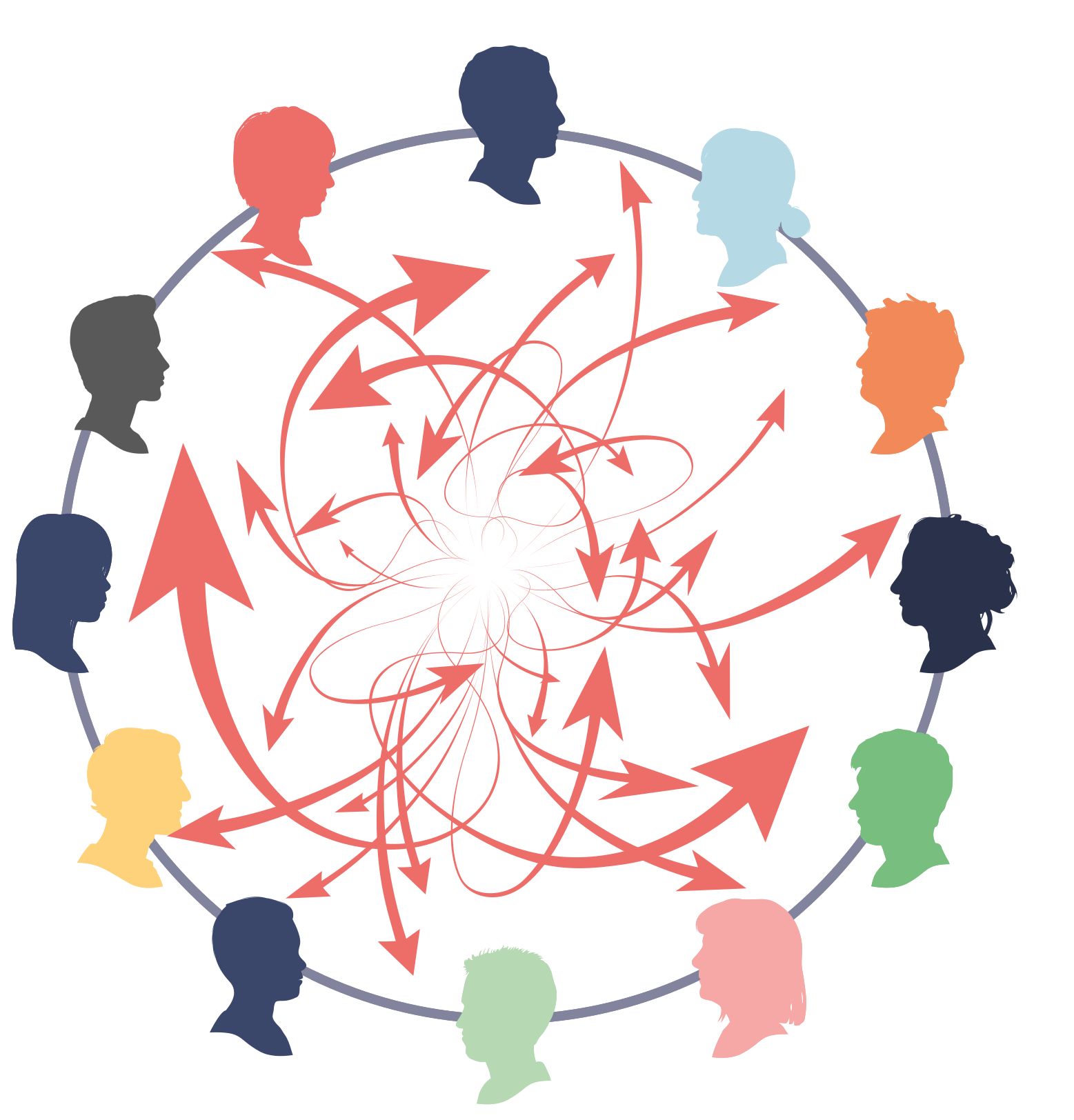
More to react to. More to build on.
That pressure is not absolute. A participant can interrupt the flow and return to the original question. But the longer the group has followed one line of thought, the harder that becomes socially. It puts a premium on willingness to redirect the conversation.
That is an odd requirement. Whether a perspective enters the work should depend on the knowledge or judgment behind it, not on someone’s willingness to push against conversational momentum.
Some participants may therefore never respond independently to the original task. The conversation follows one path while other interpretations, questions, or perspectives remain unexplored.
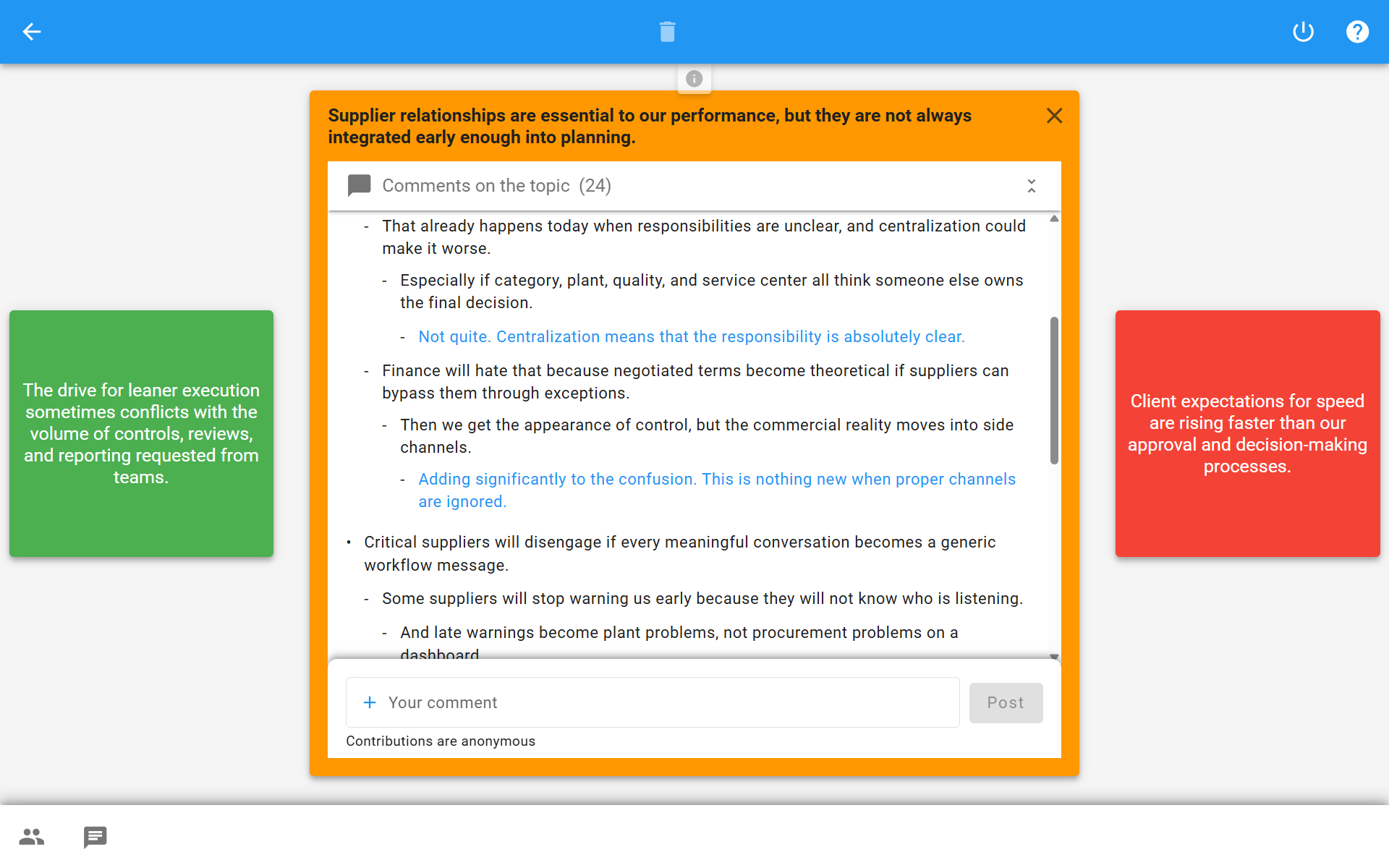
New thoughts can be added where they belong—not just at the end.
Written simultaneous contribution breaks that dependency. Participants can respond directly to the task, develop what others contribute, and return to an earlier point whenever something new occurs to them.
XLeap makes later additions easy to spot. Participants can see what has changed wherever it was added and pick up the relevant points.
The conversation can progress without closing off what came before.

EXPLORE FURTHER